Category: general history
-
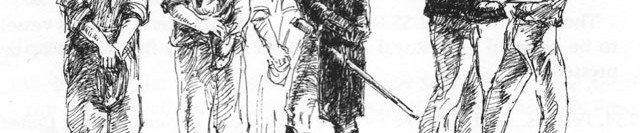
Impressment of American Seamen
Most lovers of naval history will already know that the British were famous or rather infamous, for the impressment of British seamen during the late eighteenth century well into the early nineteenth century. Few, however, will remember that impressment of American seamen is often cited as a major contributing factor to the War of 1812. Great…
-

Commemoration of a Hero: Jean Laffite and the Battle of New Orleans
Almost 200 years ago, privateer-smuggler Jean Laffite became a hero because he did something most people wouldn’t have done: in the face of extreme adversity, he had helped save New Orleans for the Americans, even though United States officers had destroyed his home base and seized his property a few months earlier. Sometimes incorrectly regarded…
-
The Meaning of Treason: United States v. Aaron Burr
Under the English common law, treason was an inexact and nebulous charge, one that could be leveled at almost anyone by association. Speaking against the government might be treason. Having friends who were traitors might be treason. A person might never have raised a hand in anger against his King or the state and yet…
-
Resisting the Japanese: The Rival Chinese Resistance Movements in WWII
The Second Sino-Japanese War (1937-1941) merged into the Second World War following the attack on Pearl Harbor. After that, historians refer to the continued war in China against Japan as part of the Pacific Front of WWII. But these types of labels serve to obfuscate the shifting loyalties and general lack of ideological coherence of…
-
Books About James Cook’s Voyages
Captain James Cook only held the position of post-captain for the last four years of his life, but he will be remembered for his voyages of discovery in the South Pacific and beyond. Today he has been critiqued by indigenous people for the legacy that his travels brought to places such as Hawaii and Australia,…
-
Jean Laffite’s Curious Payment of Attorney Fees for the John Andrew Whiteman Defense
Jean Laffite regularly employed attorneys in the course of his business, and legal fees were a big part of his ordinary expenses. How big a part we may never know, as we don’t have access to his ledger books. He does not usually mention attorney fees in his journal, even when recounting events that involved…
-
Was the Journal of Jean Laffite an Original, a Copy or a Forgery?
What is the difference between a forgery and a copy? How can you tell something is a good copy of an original document and has not been altered? And if it is, indeed, a copy, how do you go about recognizing alterations in the copied document? What is the distinction between a facsimile and just…